
Iran Launches Live-Fire Naval Drills in Strait of Hormuz Near U.S. Warships, Raising Escalation Fears
Tensions between Tehran and Washington have surged sharply as Iran’s Islamic Revolutionary Guard Corps (IRGC) commenced live‑fire naval exercises in the Strait of Hormuz, one of the world’s most strategic maritime chokepoints. The drills, set to run for two days beginning January 31, 2026, are occurring amid an expanded U.S. naval presence that includes the
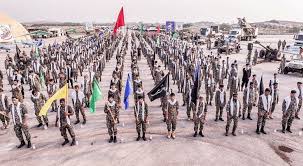
Tensions between Tehran and Washington have surged sharply as Iran’s Islamic Revolutionary Guard Corps (IRGC) commenced live‑fire naval exercises in the Strait of Hormuz, one of the world’s most strategic maritime chokepoints. The drills, set to run for two days beginning January 31, 2026, are occurring amid an expanded U.S. naval presence that includes the aircraft carrier USS Abraham Lincoln and accompanying warships, raising fears of miscalculation and regional escalation.
Strategic Importance of the Strait of Hormuz
The Strait of Hormuz connects the Persian Gulf with the Gulf of Oman and the Arabian Sea, and it is vital to global energy markets, with roughly one‑fifth of all seaborne oil shipments transiting the narrow waterway each day. Military activity in the strait inherently carries broader economic and security implications, especially when rival powers’ forces are operating in proximity.
Iran’s announcement of a two‑day live‑fire drill involving naval units of the IRGC navy underscores Tehran’s intent to demonstrate its military readiness and assert control over the strategic passage. The planned exercises reportedly include the use of live ammunition and have drawn warnings from both regional and international actors.
U.S. Military Response and Warnings
In response to Tehran’s announced naval drills, U.S. Central Command (CENTCOM) issued a firm warning, emphasizing that it expects Iran to conduct operations in a manner that is “safe, professional and avoids unnecessary risk to freedom of navigation” for international traffic. CENTCOM stressed that “unsafe or unprofessional behaviour near U.S. forces, regional partners or commercial vessels increases risks of collision, escalation and destabilization.”
CENTCOM’s caution was explicit: it would not tolerate actions such as low‑altitude flights over U.S. vessels, speedboats approaching American warships on collision courses, or weapons systems being pointed at U.S. forces—moves Washington said could be interpreted as threatening or provocative.
The Risk of Miscalculation
The combination of live‑fire drills near foreign warships and heightened military postures on both sides amplifies the risk that a routine exercise could lead to unintended confrontation. Even absent deliberate aggression, fast‑paced naval environments like the Strait of Hormuz can quickly become volatile—especially when multiple actors conduct complex manoeuvres in close quarters.
Experts warn that accidental clashes, miscommunication or technical incidents could be interpreted as hostile acts, potentially prompting retaliation and rapid escalation. Given the strategic significance of the strait, such a crisis could ripple through global energy markets and wider geopolitics.
Broader Regional Context
The naval drills are unfolding against the backdrop of broader strategic tensions between Iran and the United States, which have been marked by diplomatic strain and military signalling in the wider Middle East. U.S. leadership has publicly emphasized its commitment to deterrence and regional stability, even as both sides exchange warnings.
For Tehran, the display of naval strength may serve multiple purposes: projecting power domestically, signalling deterrence to rival states, and responding to what Iranian officials perceive as increased U.S. military activity in the region. However, such displays can also escalate already fragile dynamics, particularly when key international shipping lanes and commercial interests are involved.
Economic and Global Impact
Beyond immediate security concerns, military exercises in the Strait of Hormuz carry significant economic implications. Any perceived threat to the uninterrupted flow of oil and gas through the strait tends to reverberate through global commodity markets, potentially driving up prices and creating uncertainty in energy‑dependent economies.
Global supply chains, especially in Asia and Europe, remain sensitive to disruptions in Gulf energy exports. The juxtaposition of naval drills and heightened U.S. military activity could thus have consequences far beyond the theatre of operations itself.
Conclusion: Between Deterrence and Escalation
The live‑fire naval drills announced by Iran near U.S. warships in the Strait of Hormuz reflect a high‑stakes moment in U.S.–Iran relations. While both sides publicly frame their actions as defensive and within international norms, the proximity of drills and warships in one of the world’s most critical maritime corridors inherently risks miscalculation.
As the exercises proceed, diplomatic and military channels will be tested. Whether tensions are contained or spiral into a broader crisis may hinge on restraint, clear communication, and adherence to established maritime protocols by all parties involved.
Would you like an analytical timeline of recent U.S.–Iran tensions in the Gulf to provide deeper context on how we reached this point?
Lena Dunham Details Adam Driver’s ‘Aggressive’ Outbursts On ‘Girls’ Set

Maya Jama Transforms: Sexy Weather Girl & 80s Newsreader Ad

Free-Range Chickens Return Outdoors After Bird Flu ‘Flockdown’
Remote Working Tribunals UK See First Drop Since Covid

Man Charged with Finbar Sullivan Murder in Primrose Hill

Golden Eagles Set to Return to English Skies After 150 Years
