
Thousands March in U.S. Cities in Nationwide Anti-ICE Protests, Demanding Agency Shutdown
Tens of thousands of people took to the streets in multiple U.S. cities this week in one of the largest coordinated demonstrations in recent memory against U.S. Immigration and Customs Enforcement (ICE) and broader federal immigration enforcement policies. The protests, described by organizers as a “national shutdown” and day of action, included marches, walkouts, business
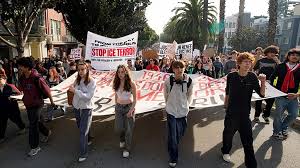
Tens of thousands of people took to the streets in multiple U.S. cities this week in one of the largest coordinated demonstrations in recent memory against U.S. Immigration and Customs Enforcement (ICE) and broader federal immigration enforcement policies. The protests, described by organizers as a “national shutdown” and day of action, included marches, walkouts, business closures, and public rallies from Minneapolis to Los Angeles, New York, San Francisco, and beyond.
Catalysts for the Uprising
The renewed wave of demonstrations follows mounting public outrage over aggressive federal immigration operations—particularly a controversial surge of ICE agents in Minnesota—and a series of fatal shootings by federal agents that galvanized activists, immigrant rights advocates, students, and labor groups.
Protesters contend that ICE’s tactics have escalated into excessive use of force and civil rights abuses. Organizers have tapped into deep public frustration over immigration enforcement crackdowns, family separations, detentions, and the perceived militarization of the agency.
Demonstrations Spread Nationwide
In Minneapolis, Minnesota, demonstrators braved sub‑freezing temperatures to march through downtown in solidarity with local residents and demand an end to what they describe as a federal occupation. Hundreds of teachers, families, healthcare workers, activists and community members filled the streets in one of several coordinated protests.
In Los Angeles, California, thousands converged in downtown areas near federal facilities as part of a broader “ICE Out” protest, with reports of clashes between demonstrators and law enforcement.
New York City’s protests drew large crowds chanting against ICE, equating agency practices with systemic oppression and calling for its abolition. Demonstrators marched through Manhattan’s icy streets under slogans linking demands for immigrant justice with broader civil rights struggles.
Similar actions took place in Tucson, Arizona, where thousands filled downtown streets, and in the Bay Area of California, where coordinated rallies also emphasized solidarity with immigrant communities.
Schools and Businesses Join In
Organizers expanded the protests beyond street demonstrations, urging participants to amplify pressure through economic and civic disruption. Student walkouts occurred in cities from California to Tennessee, with thousands of young people leaving classrooms to join rallies and marches. Dozens of businesses in several cities either shut down voluntarily or supported protest activities as part of the national action.
Demands and Goals
At the core of the protest movement is a unified call to abolish ICE and end its operations—a demand that has gained prominence amid escalating federal immigration enforcement and controversial shootings involving ICE and Border Patrol agents. Many participants also called for broader accountability, including investigations into fatal use of force and reforms to immigration policy.
Protest organizers framed the day’s events as part of a strategic escalation, using nonviolent civil resistance—including general strikes, march actions, and refusal to work or shop—to push for systemic change. Demonstrator slogans like “No work, no school, no shopping” underscored the movement’s goal of halting normal social and economic activity to force political attention and action.
Political and Social Impact
Reaction to the protests has been sharply divided. Supporters argue that the demonstrations highlight widespread discontent with current immigration enforcement practices and represent a powerful expression of grassroots political will. Critics have warned that such actions risk deepening social polarization and could complicate efforts to achieve legislative reforms.
In Congress, immigration policy and Homeland Security funding have already become contentious issues, with some lawmakers linking broader appropriations to calls for reforms to ICE and related agencies.
What Happens Next
The protests are expected to continue through the weekend, with hundreds of demonstrations planned nationwide as part of an extended push under slogans like “ICE Out of Everywhere.” Organizers are calling for sustained public pressure until federal immigration enforcement is curbed or restructured.
Whether this movement will translate into concrete policy changes or legislative action remains uncertain, but it has quickly emerged as a defining moment in the national debate over immigration enforcement, civil rights, and the role of federal agencies in local communities.
Lena Dunham Details Adam Driver’s ‘Aggressive’ Outbursts On ‘Girls’ Set

Maya Jama Transforms: Sexy Weather Girl & 80s Newsreader Ad

Free-Range Chickens Return Outdoors After Bird Flu ‘Flockdown’
Remote Working Tribunals UK See First Drop Since Covid

Man Charged with Finbar Sullivan Murder in Primrose Hill

Golden Eagles Set to Return to English Skies After 150 Years
