
Trump’s Paris Agreement Exit: A shortsighted betrayal that leaves the Global South to pay the climate price
The decision by former U.S. President Donald Trump to withdraw the United States from the Paris Climate Agreement marked a pivotal moment in global climate politics. Announced in 2017 and formalized in 2020, the move positioned the world’s largest historical emitter outside the most important international framework for combating climate change. While the withdrawal was
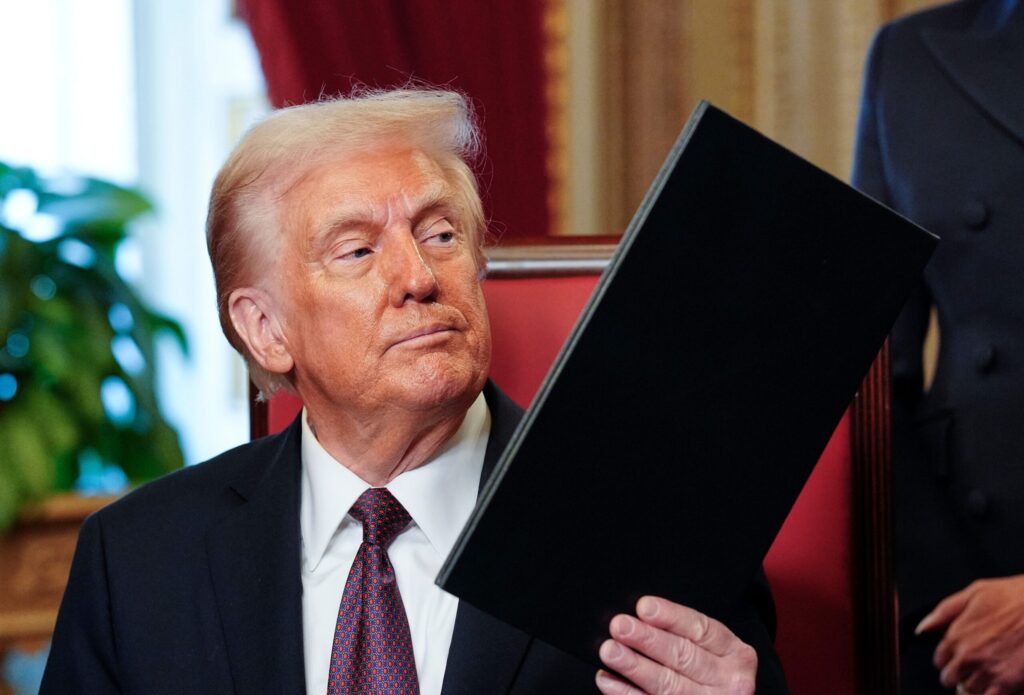
The decision by former U.S. President Donald Trump to withdraw the United States from the Paris Climate Agreement marked a pivotal moment in global climate politics. Announced in 2017 and formalized in 2020, the move positioned the world’s largest historical emitter outside the most important international framework for combating climate change. While the withdrawal was later reversed by the Biden administration, the damage done during that period continues to reverberate—most acutely across the Global South.
The Paris Agreement, adopted in 2015, was designed to unite nations around a shared goal: limiting global temperature rise to well below 2°C above pre-industrial levels, while striving to cap it at 1.5°C. Central to the agreement was the principle of “common but differentiated responsibilities,” acknowledging that wealthy, industrialized nations bear greater responsibility for both causing climate change and financing solutions. Trump’s exit fundamentally undermined this principle.
Undermining Global Climate Leadership
At the time of withdrawal, the United States accounted for roughly 15 percent of global carbon emissions and was the largest cumulative emitter in history. By stepping away from the Paris Agreement, the U.S. effectively abdicated its leadership role, signaling to other nations that climate commitments were optional rather than essential.
This retreat weakened international momentum. Several countries slowed their climate ambitions, citing economic pressures and uncertainty created by U.S. disengagement. The loss of American diplomatic pressure made it harder to push for stronger emissions targets, stricter reporting standards, and more ambitious timelines.
Financial Fallout for the Global South
Perhaps the most damaging consequence of the withdrawal was financial. Under the Paris framework, developed nations pledged to mobilize at least $100 billion annually to support climate mitigation and adaptation in developing countries. The United States was expected to be a major contributor to this fund.
Trump not only halted future contributions but also blocked previously pledged funds. This left vulnerable countries—particularly in Africa, South Asia, and small island states—without critical resources needed to build climate-resilient infrastructure, invest in renewable energy, or respond to escalating climate disasters.
For nations that have contributed the least to global emissions, this funding gap has had severe consequences. Floods, droughts, heatwaves, and rising sea levels are intensifying, yet many governments lack the financial capacity to respond effectively. The result is a deepening climate injustice, where those least responsible pay the highest price.
Disproportionate Human Costs
The Global South is already on the front lines of climate change. From prolonged droughts in the Horn of Africa to devastating cyclones in South Asia and rising seas threatening Pacific island nations, climate impacts are not abstract future risks—they are present-day realities.
Trump’s withdrawal exacerbated these vulnerabilities by delaying global action at a critical time. Climate scientists have consistently warned that the next decade is decisive. Any slowdown in emissions reductions increases the likelihood of crossing irreversible tipping points, with catastrophic consequences for food security, water access, and public health in developing regions.
A Signal of Climate Denial
Beyond policy and funding, the withdrawal carried symbolic weight. It reinforced climate skepticism at a time when scientific consensus was unequivocal. By framing climate action as an economic burden rather than an investment in global stability, the Trump administration legitimized narratives that dismiss environmental responsibility in favor of short-term national interests.
This rhetoric complicated efforts by leaders in the Global South to justify climate policies domestically, particularly in countries where economic development remains a pressing priority. When the world’s richest nation questioned the value of climate cooperation, it weakened the moral argument for collective sacrifice.
Long-Term Consequences
Although the United States rejoined the Paris Agreement in 2021, trust is not easily restored. Climate diplomacy depends on long-term credibility, and Trump’s exit introduced uncertainty about the reliability of U.S. commitments. For developing nations planning decades-long adaptation strategies, this uncertainty translates into risk.
The episode serves as a stark reminder that climate policy in powerful nations has global consequences. Decisions made in Washington can shape the survival prospects of communities thousands of miles away.
Conclusion
Trump’s exit from the Paris Agreement was more than a policy reversal—it was a betrayal of global solidarity. By turning away from international cooperation, the United States temporarily abandoned those most vulnerable to climate change, leaving the Global South to shoulder an unfair and growing burden. As climate impacts accelerate, the lesson is clear: climate leadership is not optional, and its absence carries a human cost the world can no longer afford.
Vaccine Autonomy vs. Public Health: Should polio and measles shots really be optional in 2026?

The DOGE Data Scandal and Fed Independence: Why Musk’s team accessing private records threatens democracy

Myanmar Five Years After the Coup: Military elections entrench tyranny—time for global isolation?

Immigration Crackdowns in Minnesota: When enforcement crosses into racial profiling and state rebellion

From Ceasefire to Reconstruction in Gaza: Why U.S.-brokered deals risk becoming another illusion of peace
